Business process management (BPM) software is a surprisingly loose term in 2026. Search for it today and you can find workflow tools, low-code platforms, process modeling software, Robotic Process Automation (RPA) products, and enterprise orchestration technology grouped together under the same heading.
BPM itself is still very much in use. Organizations continue to model how work happens, automate parts of it, monitor performance and improve processes over time. The main changes have been to the technology itself.
As AI-powered software agents take on more of the work inside a process, keeping all of that automation coordinated starts to get more difficult. It's a problem the market has seen before. A decade ago, RPA let organizations automate one task at a time, but with nothing to connect those tasks the result was islands of automation that never joined up. Task-level AI agents face the same issue, which is why orchestration now sits at the center of how the category is defined.
This guide looks at what “BPM software” now covers, how the category has evolved, and what buyers should pay attention to when evaluating platforms in 2026.
BPM still describes the discipline of managing and improving processes, even as the software categories around it have shifted.
Enterprise automation now increasingly spans process orchestration, system connectivity, case-based work and AI agents.
A 2026 software shortlist should reflect the work an organization actually needs to coordinate rather than relying on an older BPMS or iBPMS checklist.
BPM is the discipline of understanding how work moves through an organization and finding ways to improve it. The software came later. Its job is to support that work, although exactly what it does depends heavily on the product.
Some business process management software tools are mainly used for process modeling and documenting how work should happen. Others can run workflows, coordinate activity across systems, track what is happening during execution, or apply formal decision logic through a business rules engine.
This is also where terms such as BPM platform and workflow automation start to overlap. A product described using either label may offer relatively simple workflow capabilities, or it may support much broader process execution and orchestration.
Searches for low code business process management software add another layer to that confusion, since low-code development can be one capability within a much wider platform rather than a category in its own right.
A search in 2026 can therefore put relatively simple workflow products alongside low-code platforms and enterprise process orchestration technology, even though they solve very different problems.
So the label alone no longer tells a buyer very much about the depth of the platform. The more useful question is what type of work the software can actually model, run, connect, and govern once a process moves beyond a straightforward workflow.
The move from iBPMS to today’s automation market happened gradually, with terminology shifting over several years as process management started overlapping with other areas of enterprise automation.
By the time iBPMS had moved into a Market Guide, the category was already covering more than traditional process management. Vendors were adding capabilities associated with RPA, integration platforms, low-code development, and process mining.
Different public descriptions focus on process orchestration, enterprise connectivity, and agentic capabilities, while some consider areas such as case management and governance.
BOAT is therefore broader than the earlier iBPMS category rather than simply being a new name for it. It reflects a market where process management now sits alongside several other forms of automation and integration.
For buyers, this changes what sits behind the term “BPM software.” Traditional BPM capabilities still matter, but platforms may now also need to support work that moves across systems, involves different automation technologies, or includes AI agents.
Enterprise automation has picked up a lot of specialist technology over the years. Different tools were built to handle different parts of the work:
RPA handles repetitive task automation.
Integration platform as a service (iPaaS) connects applications and data.
Low-code platforms support application and workflow development.
Intelligent document processing (IDP) handles work involving documents and unstructured information.
Business process automation (BPA) tools automate repeatable business processes.
The difficulty starts when one process crosses several of those technologies.
A customer request might begin in one application, move into document processing, trigger an automated decision, involve an AI agent, and still need someone to review it before it can continue. Each technology may handle its own part well. The harder job is keeping the process connected as work moves between them.
AI agents can now carry out parts of the work themselves, but they still need context around when to act, which information they can use, and what should happen once their task is complete. This becomes particularly important with agentic automation, where software agents are given more responsibility for carrying out more work during a process.
When RPA first arrived, organizations automated one task at a time, and each bot did its job well on its own. What was missing was anything to connect those tasks into a single coordinated process, so the result was islands of automation that were hard to change and hard to govern. Task-level AI agents can recreate that exact pattern.
A set of capable agents each handling its own step, with nothing coordinating how work moves between them, is the same fragmentation in a new form. This time the agents are also making decisions, which raises the stakes on where the work goes next and who is accountable for the outcome.
Flowable takes a similar approach to AI architecture, using orchestration to place agent activity within the wider process rather than treating it as a separate task.
This is one reason workflow orchestration has become more relevant to software evaluations. As a process involves more systems and forms of automation, buyers also need to consider how those moving parts will work together.
Products described as BPM software can vary hugely in scope, so the category label itself is not much of a buying guide. What matters is whether the platform can support the way work actually moves through the business.
When comparing business process management software, look at:
Process modeling and execution. Can the platform run the processes you design, or is it mainly a tool for documenting them?
Case and decision management. Some work changes as new information comes in. Look at how the platform handles exceptions, case-based activity, and business rules alongside structured processes.
Integration. Enterprise processes rarely stay inside one application. The platform needs to connect with the systems and data already involved in the work.
AI agent orchestration. If agents are part of the automation strategy, consider where they can act, what context they receive, and what happens once their task is complete.
Human involvement. Automation still needs sensible points for review or intervention, particularly where a decision carries more risk.
Governance. Check what record is kept across automated and human activity and whether decisions can be traced later.
Room to evolve. The platform should be able to accommodate new forms of automation without forcing the organization to rebuild its processes around another tool.
These areas also line up with Gartner’s broader BOAT research, which now looks at capabilities including enterprise connectivity, case management, orchestration, agentic AI, and platform governance.
That wider view is worth keeping in mind when browsing best business process management software lists. A no-code workflow tool and an enterprise orchestration platform can sit under the same label while solving very different problems.
Flowable supports structured processes through BPMN, while CMMN is used for case-based work where the route may change as new information appears. DMN handles decision logic and business rules.
These standards were designed to work together. The Object Management Group describes BPMN, CMMN, and DMN as complementary, allowing different models to be used according to the type of work involved.
AI agents can also take part in Flowable processes and cases. An agent might interpret a document or recommend a next action, with the surrounding process determining what information is available and where the work goes afterwards.
The platform can also set limits around agent activity and record what happens during execution. Human review can remain part of the process where the organization decides it is needed.
This makes Flowable relevant to the wider shift Gartner describes through BOAT, particularly where processes need to span existing systems and include AI-driven work.
Readers looking at how this works in specific settings can explore banking process automation or insurance claims automation.
BPM is the discipline of understanding and improving how work moves through an organization. BPMS refers to the software used to support that work, whether that means modeling processes, running workflows, applying rules, or tracking execution.
iBPMS did not disappear overnight. Gartner’s terminology shifted over time as process management started overlapping more with areas such as automation, integration, low-code development, and AI. By 2025, that broader market had been reflected in the new BOAT category.
BOAT stands for Business Orchestration and Automation Technologies. Gartner introduced the category to cover a broader class of platforms that coordinate processes across systems and different types of automation. Its research also looks at areas such as connectivity, case management, governance, and agentic AI.
AI agents can carry out parts of a process, but they still need somewhere to sit within the wider flow of work. Organizations need to decide when an agent should act, what context it can use, when a person needs to step in, and what happens next. Process and orchestration technology provides that structure.
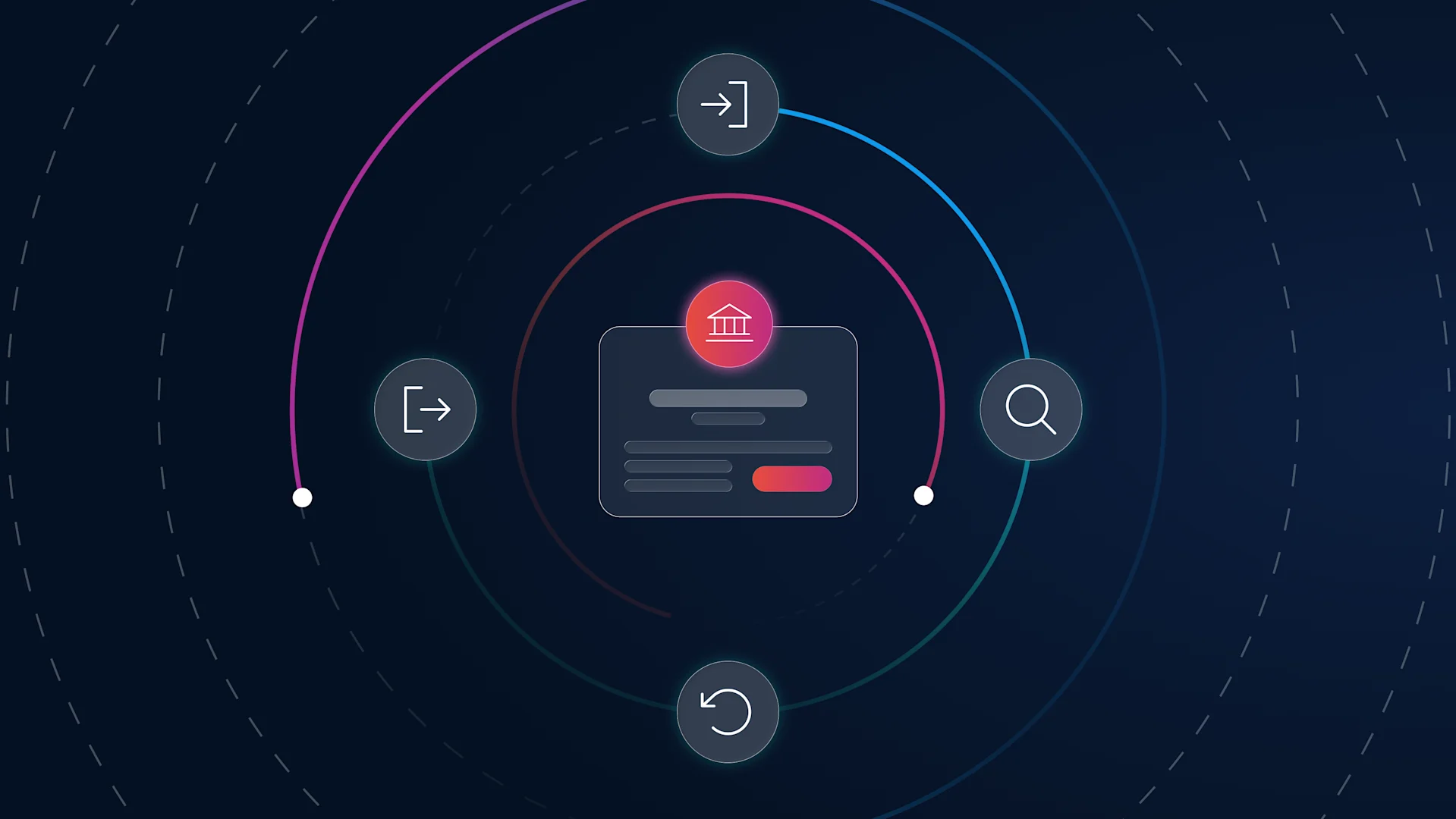
Client lifecycle management in banking goes beyond onboarding. See how case management keeps client context intact through KYC, reviews and offboarding.
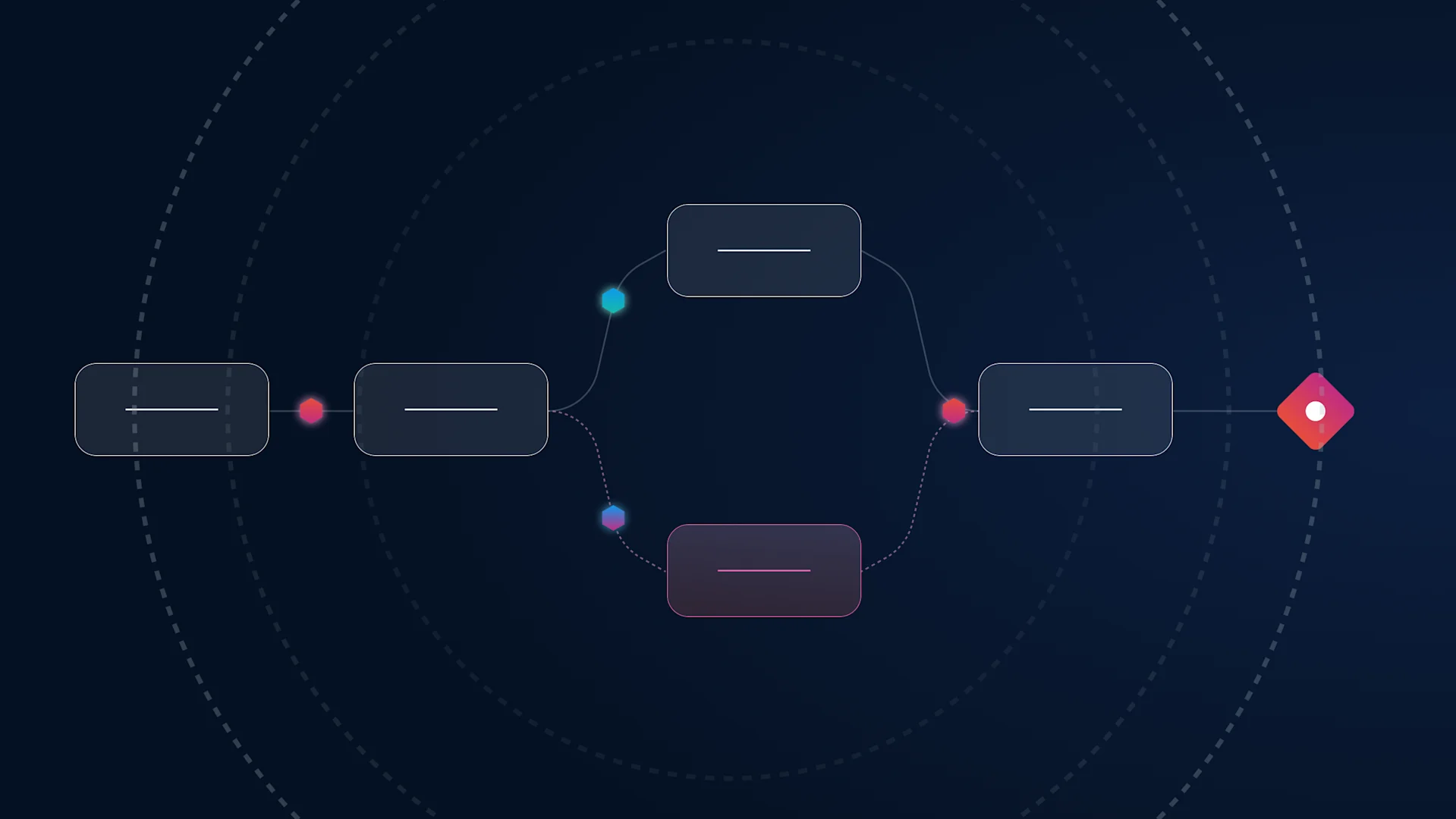
n agentic workflow is more than a multi-agent diagram. See what the standard patterns omit once workflows meet exceptions, oversight, and audit requirements. Primary keyword: agentic workflow
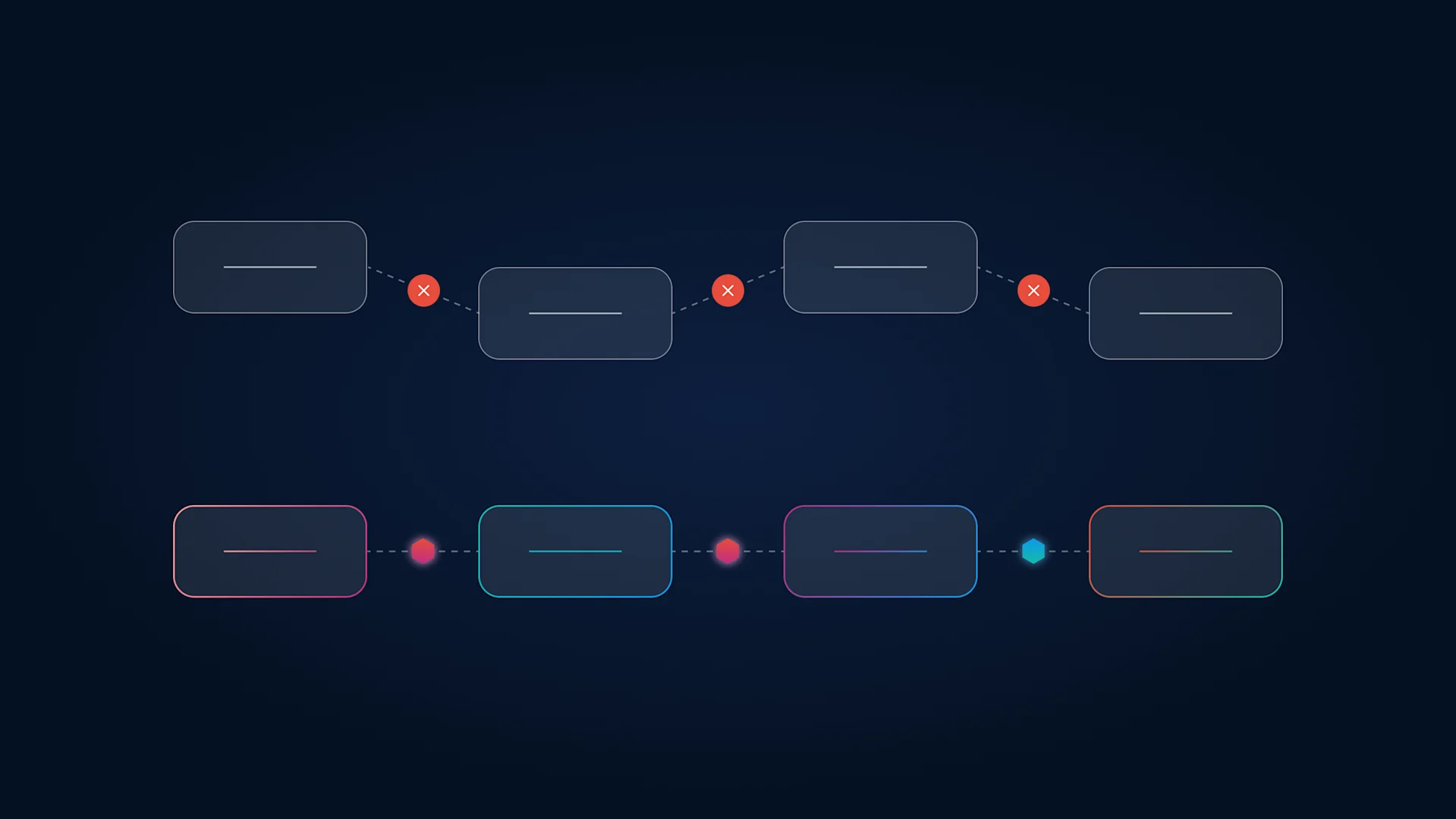
Automating single functions leaves the process broken at the handoffs. See why end-to-end orchestration beats function-by-function financial process automation.