
The modern industrial landscape is undergoing profound transformation — often hailed as the Fourth Industrial Revolution. Industry 4.0 is defined by the increasing integration of AI in industrial automation, a technological force rapidly redefining manufacturing processes.
Gone are the days of purely mechanical assembly lines: We are entering an era where intelligence permeates every facet of production. And the pivotal role of AI is to drive unprecedented innovation and efficiency in factory automation, moving beyond simple task execution to intelligent decision-making, and continuous optimization. This seismic shift promises to boost productivity. How? By combining human ingenuity with the power of advanced algorithms.
The applications of AI in industrial automation are vast and continually expanding, forming the bedrock of the intelligent factory. And one of the most impactful advancements lies in predictive maintenance.
By leveraging AI agents and sophisticated AI algorithms to analyze real time sensor data from machinery, covering everything from vibration patterns to temperature fluctuations, manufacturers can anticipate equipment failures long before they occur. This proactive approach minimizes costly downtime and extends the lifespan of crucial assets, in turn leading to substantial operational savings.
Beyond maintenance, AI powered vision systems are revolutionizing both quality control and defect detection. These structures, often employing advanced machine learning techniques, can meticulously inspect products on production lines with unparalleled speed and accuracy, identifying even the tiniest imperfections that might escape the human eye. This ensures consistent product quality and significantly reduces waste.
Robotic Process Automation (RPA), further enhanced by AI, sees intelligent robots performing repetitive, manually exhaustive and hence risk danger tasks with both precision and tireless efficiency. They aren't just programmed machines: with embedded AI, they can adapt to varying conditions and even learn from their own experiences.
Generative design, another exciting frontier in this digital field, automates the creation of innovative product designs by exploring countless permutations based on specified parameters, accelerating the development cycle.
The concept of digital twins and virtual factories is also gaining traction. These virtual replicas of physical assets, processes, or even entire factories, powered by real-time data and AI, allow manufacturers to test and optimize operations in a simulated environment before implementing them in the physical world, not only reducing risk, but also accelerating time to market.
The evolution of self-learning robots and cobots — also commonly known as collaborative robots — is further testament to AI's transformative power. These intelligent machines can adapt to their surroundings, learn new tasks, and most importantly, work safely and seamlessly alongside human operators, fostering a new era of human-machine collaboration.

Looking beyond the factory floor, AI's influence extends to the broader operational landscape. AI powered supply chain optimization leverages advanced analytics to improve efficiency and resilience in complex supply networks, predicting demand fluctuations, optimizing inventory levels, and streamlining panning.
Similarly, AI in logistics and warehouse management focuses on optimizing warehouse placement, stock distribution, and even shipping routes, leading to significant cost reductions and faster delivery times. Advanced inbound package tracking software further enhances visibility into shipments, allowing businesses to monitor incoming goods in real time and streamline warehouse operations.
For environmental responsibility, AI in environmental monitoring employs intelligent sensors and algorithms for predictive maintenance of environmental systems, identifying potential issues before they escalate.
When it comes to on-the-ground operations, operations and process management is manifesting in innovations like AI-enabled smart glasses that provide workers with real-time instructions and recommendations, enhancing their capabilities and efficiency.
The tangible benefits of integrating AI in industrial automation are compelling, offering significant competitive advantages for businesses embracing this technological leap. Foremost among these is a substantial increase in efficiency and productivity.
Algorithms can optimize processes, reduce bottlenecks, and manage resources with a precision previously unattainable by traditional methods. This signifies both cost reduction and improved margins, as waste is minimized and operational expenditure is streamlined.
Moreover, AI's capacity to process vast amounts of real-time data and generate insights leads to improved decision-making and unparalleled operational visibility. Manufacturers can then make data driven decisions with confidence, informed by comprehensive analyses of performance metrics and predictive models. Enhanced safety and risk mitigation are also crucial advantages, as AI systems can monitor hazardous environments, predict equipment failures that might pose a threat, and even guide human workers away from danger.
The impact on product quality and innovation is equally profound. AI powered inspection systems ensure consistent, high-quality output, while generative design fosters a new era of innovative product development. Meanwhile, the shift towards sustainable and green manufacturing practices is greatly aided by this tech, which can optimize energy consumption, reduce material waste, and identify environmentally friendly operational efficiencies.
Despite its immense promise, the journey to fully implementing AI in industrial automation is not without its hurdles to clear. And one of the primary challenges lies in data quality and availability.
AI systems thrive on clean, structured data, and many legacy industrial systems may not be equipped to provide this. Ensuring the integrity, consistency, and accessibility of relevant sensor data, for example, is crucial for the effective training and deployment of machine learning models.
Operational risks and cybersecurity concerns also loom large. As more industrial processes become interconnected and AI powered, the potential for cyberattacks greatly increases. To combat them, robust cybersecurity frameworks are essential to protect sensitive operational data and prevent malicious intrusions that could disrupt production or compromise intellectual property.
Additionally, a significant skills shortage and the need for workforce readiness present considerable challenges. The integration of AI necessitates new skill sets, and a gap often exists between the current workforce's capabilities and the demands of AI-enabled environments.
Therefore, effective change management strategies, including comprehensive training and upskilling programs, are vital to ensure a smooth transition and foster smooth employee acceptance. The initial implementation costs for new infrastructure, software solution integration, and specialized talent can also be substantial, requiring careful planning and investment. Fundamentally, success hinges on the readiness of existing systems to integrate with AI and the commitment to maintaining a supply of clean, structured data that fuels these intelligent applications.
The evolution of AI-based automation technologies promises an even more intelligent and autonomous industrial future. The principles of Industry 4.0, with its emphasis on connectivity and data exchange, are rapidly converging with Industry 5.0, which champions human-centricity and sustainability in manufacturing. In this synergistic environment, AI in industrial automation will increasingly drive intelligent manufacturing and the realization of truly smart factories.
A key trend will be the increasing use of those previously mentioned cobots, which will become even more sophisticated in their ability to work alongside humans, learning from them and adapting to complex tasks. The role of edge computing and real time data processing will also become paramount, bringing the computing power closer to the source of data generation, enabling faster decision-making, reduced latency, and enhanced responsiveness in dynamic industrial environments.
We can also anticipate the development of AI ecosystems for small and medium-sized enterprises (SMEs), democratizing access to powerful algorithms and solutions that were once exclusive to large corporations. The emergence of agentic AI, where intelligent systems can autonomously plan and execute complex tasks with minimal human intervention, will further push the boundaries of automation.
Game-changing impacts
The transformative potential of AI in industrial automation is undeniable: It’s poised to revolutionize how goods are produced, supply chains are managed, and factories operate. From optimizing manufacturing processes with predictive maintenance and advanced quality control, to empowering human workers with AI-enabled tools and fostering a new era of human-robot collaboration, it is quickly becoming the driving force behind the next wave of industrial advancement.
The journey will involve navigating challenges related to data, cybersecurity, secure software, and workforce adaptation, but the strategic embrace of these technologies is a necessity for sustained competitive advantages today. Ultimately, the future of industrial automation lies in the intelligent synergy of human ingenuity and cutting-edge AI, creating a new era of efficiency, innovation, and sustainable growth.

Senior Director OEM and Government Partnerships
Bob Jensen leads Flowable's strategic engagements with OEM integration and government entities leveraging its robust BPM and BPA capabilities. Bob's work centers around demonstrating how Flowable accelerates product development, enhances customer and citizen experiences, and automates mission-critical workflows.

Business process management software covers very different tools in 2026. See how the category shifted towards BOAT and what buyers should evaluate.

Client lifecycle management in banking goes beyond onboarding. See how case management keeps client context intact through KYC, reviews and offboarding.
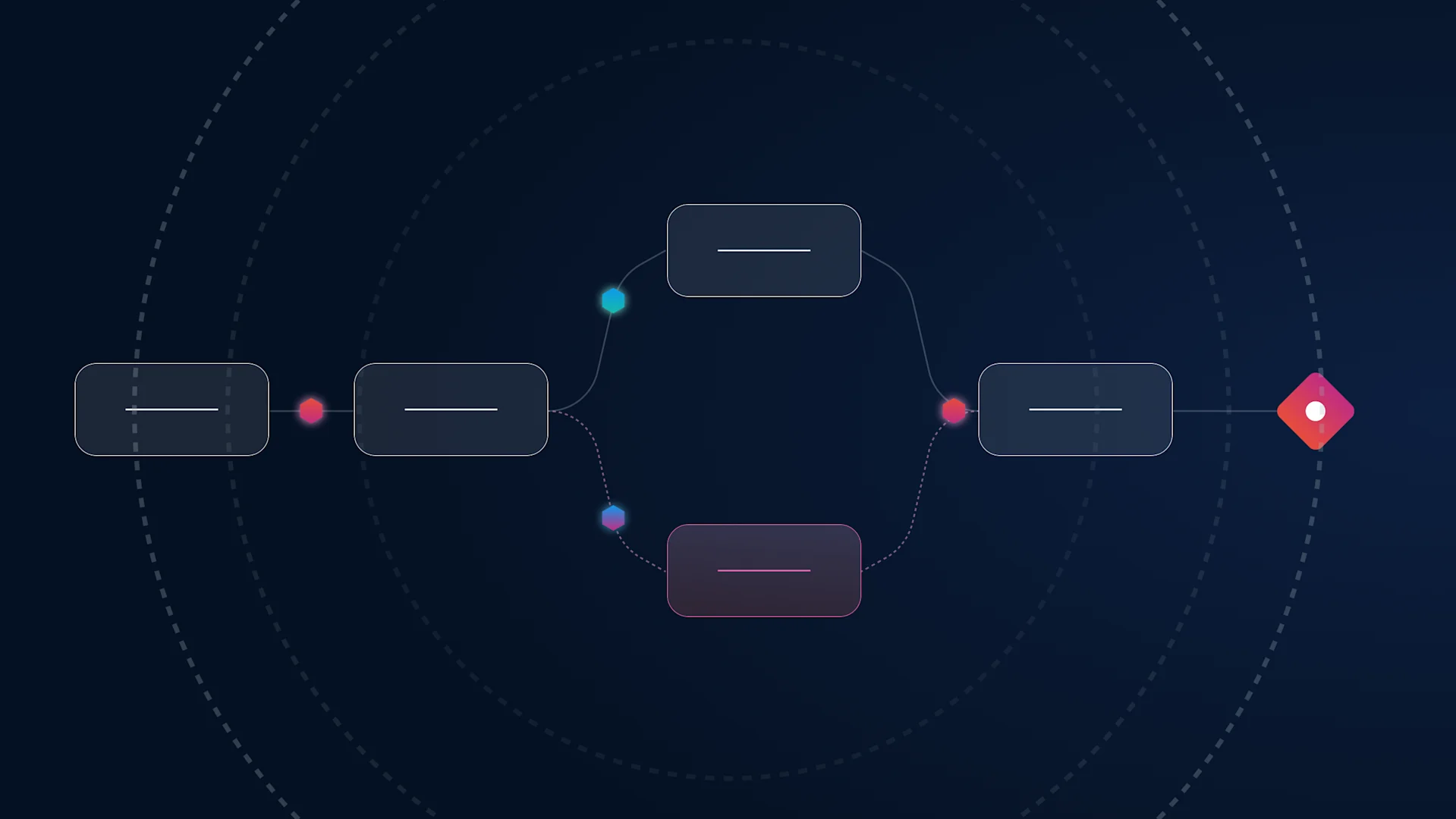
n agentic workflow is more than a multi-agent diagram. See what the standard patterns omit once workflows meet exceptions, oversight, and audit requirements. Primary keyword: agentic workflow